Rosacea is hard enough to manage anywhere. In Sarasota, it’s a daily battle. The same beautiful weather that draws people here – the sunshine, the warmth, the outdoor lifestyle – is, physiologically speaking, a near-perfect rosacea trigger. Sun exposure is the number one trigger for rosacea flare-ups according to the National Rosacea Society, with hot weather and humidity ranking close behind. Sarasota delivers all three, year-round.
If you’ve been managing rosacea with topical creams, oral medications, or sheer willpower, you’re treating the symptoms. BBL Forever Young and Forever Clear at Harmony Skin Care goes after the underlying cause – the dilated, damaged blood vessels responsible for the chronic redness – while addressing Sarasota’s specific climate challenges as part of the treatment strategy.
This guide covers how BBL works for rosacea, what’s realistic to expect, and how the innovative combination of Forever Clear BBL and Vitamin K Cream at Harmony Skin Care is changing how Sarasota patients manage this persistent condition.
Understanding Rosacea – Especially in Florida
Rosacea is a chronic inflammatory condition. There’s no single cause and, importantly, no permanent cure. What there are: triggers that cause flare-ups, treatments that reduce the underlying vascular damage, and management strategies that can keep symptoms under consistent control.
The condition primarily affects the central face – the cheeks, nose, chin, and forehead. It shows up as persistent redness, visible blood vessels (telangiectasia), flushing that comes and goes, and in some cases inflammatory bumps that can be mistaken for acne. Left unmanaged, rosacea tends to worsen over time as repeated flushing cycles cause more vessel dilation and visible damage.
The Four Types of Rosacea
Not all rosacea looks the same, and understanding the subtype affects treatment planning. Erythematotelangiectatic rosacea (ETR) is the most common form, characterized by flushing, persistent redness, and visible blood vessels – this is the subtype where BBL performs best. Papulopustular rosacea involves redness plus acne-like breakouts. Phymatous rosacea causes skin thickening, most often affecting the nose. Ocular rosacea affects the eyes with irritation and redness.
Dr. J.E. Pabon assesses each patient’s subtype and severity during consultation – an essential step, because the treatment approach and realistic expectations differ meaningfully depending on what you’re dealing with.
Why Sarasota Makes Rosacea Harder
Research published in a peer-reviewed dermatology study found a direct correlation between temperature changes and rosacea flare frequency – the faster temperature rises, the more rosacea exacerbations occur. For people living in climates with dramatic seasonal swings, there’s at least some relief in winter. Sarasota doesn’t offer that relief.
Here’s what rosacea patients in Sarasota face that their counterparts in, say, Boston or Chicago don’t:
Year-round UV exposure. Even in December and January, Sarasota’s UV index is high enough to trigger rosacea flares in sun-sensitive patients. There’s no low-UV season to recover in.
Persistent heat and humidity. The combination is particularly problematic because humidity prevents sweat from evaporating efficiently, meaning the body can’t cool itself as effectively. This keeps core and skin temperature elevated, which sustains vascular dilation and flushing.
An active outdoor lifestyle. Sarasota’s culture revolves around being outside – boating on the bay, golf at one of dozens of area courses, beach time at Siesta Key, weekend mornings at the St. Armands Circle farmers market. According to the National Rosacea Society, golf (39% of patients affected), cycling, running, and outdoor sports are among the most common exercise-related rosacea triggers. Sarasota residents do all of these things regularly, often in peak heat.
The result is that Sarasota rosacea patients typically experience more frequent and severe flare-ups than patients in cooler, less sunny climates – and they need a more robust treatment and management strategy to see meaningful improvement.
How BBL Treats Rosacea at the Source
Rosacea’s most visible symptom – redness – is caused by dilated blood vessels close to the skin surface. Over time, with repeated flushing cycles, these vessels become permanently dilated and visible. Topical creams can temporarily constrict them. BBL can collapse them.
The Mechanism: Targeting Hemoglobin
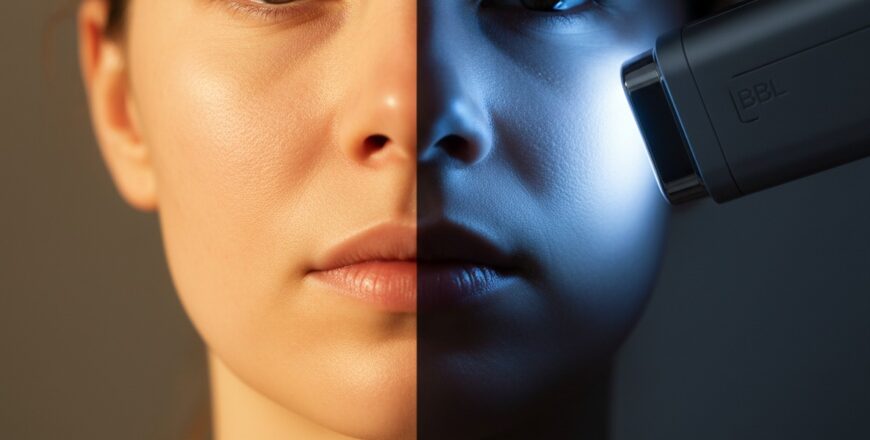
BroadBand Light (BBL) energy is absorbed selectively by hemoglobin – the protein in red blood cells that gives blood its color. When the BBL pulse hits a dilated vessel near the skin surface, the hemoglobin absorbs the light energy and converts it to heat. That heat causes the vessel wall to collapse in a controlled way. The body then naturally absorbs and clears the remnants of the treated vessel over the following days and weeks.
The result is a reduction in the number and visibility of surface vessels – which means less persistent redness, less flushing intensity, and a more even skin tone. Importantly, this isn’t a surface-level cosmetic fix. The vessels are actually cleared. That’s categorically different from what a topical cream does.
BBL’s broad spectrum of light wavelengths allows Dr. Pabon to simultaneously address both the vascular redness and any accompanying pigmentation changes – the two concerns that most rosacea patients present with together.
Reducing Inflammation
BBL’s anti-inflammatory effects are an underappreciated benefit for rosacea patients. The light energy stimulates the skin’s natural healing response and has been shown to reduce inflammatory markers in treated skin. For rosacea patients, where inflammation is a central driver of the condition, this means not just clearer-looking skin but skin that is genuinely calmer and less reactive over time.
Collagen Stimulation
Rosacea can cause progressive skin changes over years – texture irregularities, diffuse redness, and in some cases skin thickening. BBL’s simultaneous stimulation of collagen production (through gentle heating of deeper skin layers) addresses these secondary concerns, improving overall skin quality as the vascular damage is being treated.
The Harmony Skin Care Approach: BBL Plus Vitamin K Cream
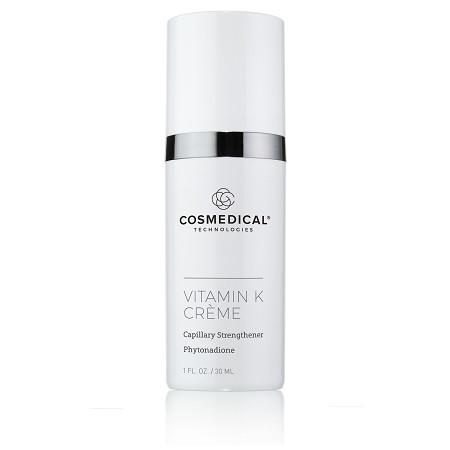
What sets Harmony Skin Care apart from other Sarasota providers isn’t just the Sciton BBL technology – it’s an innovative combination protocol that was featured in the Miami Wire for its results in rosacea and acne patients: the pairing of Forever Clear BBL treatments with a specialized Vitamin K Cream.
Vitamin K plays a specific and scientifically recognized role in vascular health. It supports capillary integrity – meaning it helps strengthen vessel walls and reduces their tendency to dilate excessively. For rosacea patients, this is directly relevant: the condition involves capillaries that are chronically fragile and prone to dilation.
The Vitamin K Cream protocol at Harmony Skin Care works in two phases. After BBL clears and collapses the damaged vessels, the Vitamin K Cream supports the skin’s healing process and helps maintain capillary strength in the treated area. It also reduces residual redness and supports a more even skin tone during recovery. Together, the two treatments address both the acute vascular damage (BBL) and the ongoing maintenance of capillary health (Vitamin K Cream).
This combination approach reflects the broader philosophy at Harmony Skin Care: treating the underlying condition comprehensively, not just the visible symptom.
What to Expect From BBL Rosacea Treatment at Harmony Skin Care
The Consultation
Dr. Pabon has over 25 years of laser and light therapy experience, including his time as an instructor at the Houston Laser Institute, and he approaches rosacea cases with a clinician’s precision. At your consultation, he’ll assess your rosacea subtype, determine the severity of vascular involvement, review your triggers and lifestyle (particularly relevant for Sarasota’s outdoor culture), and build a treatment plan specific to your skin.
He’ll also be honest about what BBL can and can’t do. For erythematotelangiectatic rosacea – the flushing and redness subtype – BBL delivers excellent results. For papulopustular rosacea with active inflammatory lesions, the treatment approach is different and may involve the Forever Clear BBL protocol. Phymatous rosacea with significant skin thickening typically requires a different treatment modality altogether. Knowing what you have determines what’s realistic.
The Treatment Protocol
Most rosacea patients at Harmony Skin Care begin with 3 to 5 BBL sessions spaced 4 weeks apart. Unlike pigmentation treatments, where you’ll see dramatic “peppering” and clearing in the first week, rosacea treatment produces more gradual visible results. There’s no dramatic event – the vessel clearance happens progressively, and the reduction in redness builds across sessions.
Each session runs 15 to 30 minutes for a full face. The sensation during treatment is commonly described as a brief warmth or snap – most patients find it very tolerable. Immediately after treatment, the face will appear flushed, sometimes more so than before. This is temporary and a normal part of the vascular response. It typically resolves within hours.
What Changes Session by Session
After session one, most patients notice their baseline redness is somewhat reduced within two to three weeks. The treated vessels are being absorbed and the inflammatory response is settling. It’s an improvement, but not a dramatic transformation.
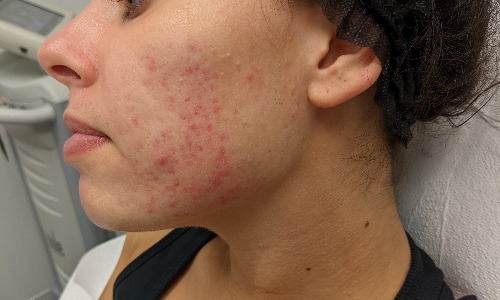
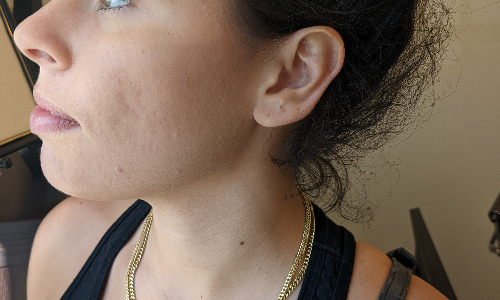
By session two and three, the cumulative reduction in visible vessels becomes more noticeable. Patients often describe this as their skin looking “quieter” – less likely to flush dramatically, less reactive to heat and activity. Kyla C., a patient who completed her BBL series at Harmony Skin Care, described it this way: clearer, smoother, more even skin with significantly less pigmentation and improved rosacea – and pores that looked smaller as an added benefit. She specifically noted that Dr. Pabon performs the treatments personally, taking detailed notes on progress and adjusting the approach for her specific needs with each session.
By sessions four and five, most patients have achieved meaningful reduction in their baseline redness level. Visible capillaries are substantially clearer. The flushing response to triggers like heat and sun exposure is typically less severe – not eliminated, but meaningfully reduced in intensity.
Managing Rosacea in Sarasota Between Treatments
BBL treats the damage that’s already there. What happens between sessions – and between annual maintenance visits – determines how much new damage accumulates. For Sarasota patients, this is where the real work happens.
Sun Protection as Non-Negotiable
Sun exposure triggers rosacea in up to 81% of patients, according to the National Rosacea Society – making it the single most important factor to manage. In Sarasota, “wear sunscreen when you’re at the beach” isn’t sufficient. You need daily SPF 30 or higher as a consistent baseline habit, including on overcast days when UV still penetrates cloud cover.
Mineral-based sunscreens with zinc oxide tend to be better tolerated by rosacea-prone skin than chemical sunscreen formulations, which can cause irritation in sensitive skin. Wide-brimmed hats are a practical addition for anyone spending significant time outdoors – at Siesta Key, on the golf course, or on the water.
Heat and Lifestyle Management in Florida
Managing heat exposure in Sarasota requires some practical adjustments to an outdoor lifestyle, not abandoning it. Timing matters significantly: scheduling outdoor activity for early morning or evening hours – before 10 a.m. or after 4 p.m. – substantially reduces UV and heat exposure compared to midday. Staying well hydrated helps the body regulate temperature more efficiently.
For boating and water activities specifically – common in the Sarasota area – UV reflected off water significantly amplifies exposure. SPF reapplication every two hours, plus UV-protective clothing and hats, is important for any time on the water.
Keeping a cold compress or cooling spray available during and after outdoor activity is a practical tip that helps prevent the cycle of overheating that sustains vascular dilation. Even brief cooling interventions can interrupt a developing flare.
Dietary and Lifestyle Triggers
Common rosacea triggers beyond sun and heat include spicy foods, alcohol (particularly red wine), hot beverages, and intense physical exertion. These don’t affect every rosacea patient equally – keeping a simple trigger diary for a few weeks can reveal which ones are most relevant for your specific situation. Managing your individual triggers, combined with BBL treatment, produces better long-term outcomes than either approach alone.
BBL Versus Other Rosacea Treatments
Rosacea patients have typically tried multiple approaches before reaching BBL. Understanding how BBL compares to other options helps set realistic expectations.
Topical Medications
Topical prescription medications can reduce inflammatory lesions and redness, but they work by suppressing symptoms rather than clearing the underlying vascular damage. Most require indefinite daily use to maintain results. They’re often used alongside BBL, not instead of it – the combination of managing active inflammation with topicals while clearing vascular damage with BBL can produce better outcomes than either alone.
Oral Antibiotics
Low-dose doxycycline is commonly prescribed for papulopustular rosacea, where its anti-inflammatory properties help control breakouts. Like topicals, it manages symptoms during use but doesn’t address the structural vascular changes that cause persistent redness. Long-term antibiotic use also carries its own considerations. For patients using doxycycline for rosacea management, BBL can address the vascular component that medication alone doesn’t touch.
Generic IPL (Intense Pulsed Light)
Standard IPL devices and Sciton BBL are not the same technology, despite frequent comparisons. Generic IPL devices use broad, relatively imprecise pulses of light. Sciton BBL offers more precise wavelength control, higher peak power with better cooling delivery, and a substantially larger body of clinical evidence behind it. For rosacea treatment specifically – where you’re targeting hemoglobin in specific vessel types – the precision matters. Harmony Skin Care uses the Sciton BBL system exclusively; it’s not the same as the IPL treatments offered at many general spas.
Laser Vascular Treatments (Pulsed Dye Laser)
Pulsed dye laser (PDL) is another effective option for vascular rosacea, often producing dramatic results but with more significant post-treatment bruising and recovery time. BBL tends to be the preferred option for patients who need the treatment to fit into an active professional and social schedule – Sarasota’s lifestyle – because the downtime is minimal.
Realistic Expectations: What BBL Can and Can’t Do for Rosacea
This is the honest part that some providers gloss over. BBL Forever Clear is one of the most effective non-invasive treatments available for vascular rosacea. It can significantly reduce persistent baseline redness, clear visible telangiectasia, and reduce the intensity of flushing responses. Long-term patients who maintain their treatment schedule see cumulative improvement that goes beyond just clearing existing vessels.
What BBL doesn’t do is cure rosacea. The underlying tendency toward vascular reactivity remains. New vessels can form over time, particularly with ongoing sun and heat exposure. This is why the maintenance schedule matters – not as an upsell, but as the difference between sustained improvement and gradual reversal of gains.
For Sarasota patients specifically, the ongoing UV and heat environment means maintenance treatments are more important here than in milder climates. Dr. Pabon typically recommends maintenance sessions every 3 to 4 months after the initial series – two to three treatments per year – calibrated to the realities of living and being outdoors in coastal Florida.
Rosacea Treatment Pricing at Harmony Skin Care
BBL Forever Clear – the protocol used for rosacea and acne at Harmony Skin Care – is priced at $500 per full-face single session. A course of 3 to 6 sessions is typically recommended, with the total cost depending on the number of sessions your skin requires. If you’re treating a specific lesion area rather than the full face, individual area pricing ranges from $200 to $300 per session.
For most patients, the comparison to long-term topical medication costs, the time spent managing flare-ups, and the quality-of-life impact of persistent redness makes BBL a compelling value – particularly given that the treatment addresses the underlying vascular damage rather than temporarily suppressing symptoms.
Starting Your Rosacea Treatment in Sarasota
The 2022 Best Medical Spa award in Sarasota reflects what patients who’ve been treated at Harmony Skin Care consistently experience: physician-level oversight, genuinely personalized treatment plans, and technology that’s selected for clinical outcomes rather than marketing appeal.
Dr. Pabon performs BBL treatments directly – not delegated to a technician. For rosacea, where treatment parameters need to be calibrated to your skin’s response in real time across multiple sessions, this matters. The detailed notes he keeps on each patient’s progress allow him to adjust the approach at each visit based on how your skin is actually responding.
If you’re in Sarasota, Siesta Key, Lakewood Ranch, or anywhere on the Gulf Coast and you’re tired of managing rosacea’s daily impact on your appearance and confidence, a consultation is the starting point. Dr. Pabon will give you an honest assessment of what BBL can achieve for your specific presentation – and a clear plan for getting there.
Frequently Asked Questions
How many BBL sessions will I need for rosacea?
Most rosacea patients at Harmony Skin Care complete 3 to 5 initial sessions spaced about 4 weeks apart. The number depends on the severity of vascular involvement, your skin type, and how well your skin responds to each session. Patients with mild redness and a few visible capillaries often see excellent results in 3 sessions. More significant vascular rosacea typically requires the full 5-session series. Dr. Pabon will give you a specific recommendation after evaluating your skin at consultation, and will reassess at each session based on your progress.
Will BBL cure my rosacea?
BBL can produce dramatic, long-lasting improvement in rosacea symptoms – but it doesn’t cure the underlying condition. Rosacea involves a chronic tendency toward vascular reactivity that persists even after existing vessels are cleared. What BBL does is eliminate the accumulated vascular damage, reduce baseline redness, and calm the skin’s inflammatory response – results that are meaningful and visible. Maintaining those results requires ongoing sun protection, trigger management, and periodic maintenance treatments. For Sarasota patients, that maintenance schedule is especially important given the year-round UV and heat exposure.
What’s the difference between Forever Clear BBL and Forever Young BBL for rosacea?
Both protocols use the same Sciton BBL technology, but with different wavelength settings and treatment goals. Forever Young BBL is primarily anti-aging focused – it targets pigmentation, sun damage, and overall skin quality while stimulating collagen. Forever Clear BBL is optimized for targeting active inflammation, redness, and vascular concerns, making it the primary protocol for rosacea patients. In practice, many rosacea patients benefit from both – clearing the vascular redness with Forever Clear parameters while also addressing the sun damage and pigmentation changes that often accompany years of rosacea in Sarasota’s climate. Dr. Pabon will determine the right approach based on your specific presentation.
Is BBL safe for sensitive, rosacea-prone skin?
Yes – when performed by an experienced provider with appropriate equipment, BBL is well-tolerated by rosacea-prone skin. The Sciton BBL system includes integrated contact cooling that protects the skin surface during treatment, and Dr. Pabon calibrates settings conservatively for highly reactive skin types. The post-treatment flush will be more pronounced in patients with active rosacea – your face will look redder immediately after treatment before settling down. This is expected and temporary. Patients with significant active inflammatory lesions (papulopustular rosacea) may need to manage active breakouts before beginning BBL treatment.
How is Harmony Skin Care’s BBL different from IPL at other Sarasota spas?
This is an important distinction. Harmony Skin Care uses the Sciton BBL system – a specific, clinically studied device with a substantial body of published research behind it. Many spas offering “IPL” or “photofacial” treatments use generic intense pulsed light devices that lack the wavelength precision, peak power, and cooling technology of the Sciton system. For rosacea treatment, where you’re targeting hemoglobin in specific vessel types, that precision affects both outcomes and safety. The distinction matters, and it’s worth asking any provider exactly what device they’re using before booking a treatment.
Can I combine BBL with my current rosacea medications?
In most cases, yes – and the combination often produces better results than either alone. Topical medications that manage active inflammation (like metronidazole or azelaic acid) and BBL that clears vascular damage address different aspects of the condition and can work synergistically. Certain medications can increase photosensitivity, which affects treatment parameters – this is exactly why the thorough medical history review at your Harmony Skin Care consultation matters. Dr. Pabon will review your current medications and advise on any necessary adjustments before treatment begins.
What is the Vitamin K Cream protocol, and how does it help rosacea?
Harmony Skin Care has developed an innovative combination protocol – featured in a Miami Wire article – that pairs Forever Clear BBL treatments with a specialized Vitamin K Cream. Vitamin K plays a recognized role in capillary integrity: it supports the strength and health of blood vessel walls, which are chronically compromised in rosacea patients. After BBL clears and collapses damaged vessels, the Vitamin K Cream supports the healing process, reduces residual redness, and helps maintain capillary health in the treated skin. The combination addresses both the acute vascular damage and the ongoing structural vulnerability that allows new vessels to form – a more comprehensive approach than BBL alone.
How do I manage rosacea flare-ups between BBL sessions in Sarasota’s heat?
Managing flare-ups between sessions in Sarasota’s climate requires consistent attention to the main triggers: sun, heat, and humidity. Daily SPF 30 or higher – not just on beach days – is essential, using mineral-based formulas with zinc oxide that are better tolerated by sensitive skin. Schedule outdoor activities for early morning or evening hours to avoid peak UV and heat. Keep a cooling spray or cold compress accessible for outdoor activities – even brief cooling interventions can interrupt a developing flare-up. Stay well hydrated, which helps the body regulate temperature more efficiently. And continue any prescribed topical medications through your BBL series; managing active inflammation between sessions supports better treatment outcomes overall.
When will I see results from BBL for rosacea?
BBL results for rosacea are more gradual than for pigmentation – there’s no dramatic “peppering and clearing” event. Most patients notice some reduction in baseline redness within 2 to 3 weeks after their first session as treated vessels are absorbed. By sessions 2 and 3, the cumulative improvement becomes more visible – skin looks quieter, flushes less intensely, and the overall tone is more even. Peak results from the initial series are typically visible 4 to 6 weeks after the final session, as the body finishes absorbing treated vessels and collagen remodeling continues. Patients who maintain their treatment schedule over years – as the long-term BBL research documents – see progressive improvement that compounds in ways the initial series alone can’t achieve.
Harmony Skin Care Medical Spa
5100 Station Way, Suite B, Sarasota, FL 34233
Phone: (941) 921-1007
Hours: Monday – Friday, 8:30 AM – 4:30 PM
Serving Sarasota, Siesta Key, St. Armands Circle, Lakewood Ranch, and the surrounding Gulf Coast community.